

GLUES
LIQUIDS
BROWS
OTHER PRODUCTS
OUTLET
3 Differences Between So Henna and Traditional Tint
by Laura Brown Jun 03, 2022 4 min read

Table of Contents
3 Differences Between So Henna and Traditional Tint
Brow styling treatments aren’t a new addition to beauty salon menus, but the methods of styling eyebrows are evolving as much as brow trends themselves! As well as your basic hair removal and shaping treatments, you have a whole host of treatments which can dramatically alter the appearance of the brows, such as Brow Lamination, tinting or even henna brows. What exactly is the difference though between So Henna Brow Henna, and eyebrow tint?
Difference 1 - How They’re Made
While traditional tint and Brow Henna are both essentially made up of pigment and chemicals such as PPD which bind those pigments to the skin and hairs, Brow Henna is mostly derived from plants, so does offer a more gentle treatment for those who find traditional brow tints a bit more harsh for their skin. That being said, brow henna does still contain PPD - without it, it simply wouldn’t offer any kind of retention time - so if someone is allergic to PPD in traditional tint, they will too have a reaction to So Henna even though the amount of PPD is much lower.

Difference 2 - Retention
Traditional eyebrow tint does a really great job of colouring the hairs - it does this by penetrating the hair and bonding with the hair’s natural pigment, altering the shade which is why it can last for so long on the hairs. So Henna does an equally good job of colouring the hairs and can last on the brow hairs for up to 6 weeks.
Henna brows have the edge, particularly for those clients who have sparse brows with gaps, or who plucked them too much in the early 2000s as it can last on the skin for up to two weeks - depending on pretreatment, skin type and aftercare of course - whereas traditional tint isn’t designed to last on the skin. So Henna’s formulation means that it sits just below the top layer of skin which is how it is able to remain in place for longer.
Difference 3 - How They’re Mixed
Traditional brow dye needs an activator in order to work, you can’t just brush it straight onto the hairs as it is likely to cause some kind of reaction, and it will also give you a wildly different colour finish to the one you’re expecting! After mixing your tint with its activator, you’ll need to leave it to develop for a little while so that you can ensure the colour result you were aiming for.
When it comes to a henna brows treatment, henna powder is quite different in this regard, as it only needs to be mixed with water. This is best with distilled water instead of tap as tap water varies in its composition from region to region - thinking of England alone, the water contains more limescale in London than in Manchester, for example so it can be difficult to say for certain how a tint will turn out if you’re using tap water. In place of distilled water, you could use coconut water or rose water to mix your So Henna - try each out and see what you like best!
Once you’ve mixed up your So Henna to the desired consistency, apply it right away!

Comparison: So Henna vs. Traditional Eyebrow Tint
| Feature | So Henna Brow Henna | Traditional Eyebrow Tint |
| Primary Ingredients | Plant-derived Lawsonia Inermis powder | Synthetic dye pigments |
| Mixing Agent | Distilled, coconut, or rose water | Hydrogen peroxide developer / activator |
| Skin Stain Retention | Up to 2 weeks (fills gaps and sparse areas) | Minimal skin stain (1–3 days max) |
| Hair Retention | Up to 6 weeks on eyebrow hair | Up to 4–6 weeks on eyebrow hair |
| Lash Application | Brows ONLY (Never use as henna eyelash tint) | Suitable for both eyebrows and eyelashes |
One final difference is that Brow Henna can ONLY be used for the eyebrows - it’s designed to work on brow hairs and skin in particular. Unlike traditional tint, it cannot be used on the lashes.
Overall, while they have their key differences and they’re both great to have on hand, So Henna cannot be beaten for brow colouring treatments!
Need a step by step? Check out this So Henna Step by Step blog post!
Frequently Asked Questions (FAQ)
What is the difference between henna and tint?
Traditional tint uses synthetic dyes mixed with a peroxide developer to penetrate and alter the natural pigment inside the eyebrow hair. Henna uses plant-derived Lawsonia Inermis powder mixed with water to coat the hair shaft while creating a long-lasting stain on the skin underneath, ideal for filling sparse brows.
Which lasts longer, henna or tint?
Henna typically lasts longer on the skin. While both treatments stain the eyebrow hairs for up to 6 weeks, So Henna leaves a distinct skin stain for up to 2 weeks (depending on skin type and aftercare), whereas traditional tint fades from the skin within 1 to 3 days.
What are the disadvantages of henna brows?
The main disadvantages include a longer processing time (20–30 minutes), strict incompatibility with lash treatments (henna cannot be used on eyelashes), and reduced skin-stain longevity on oily skin types. Additionally, clients with PPD sensitivities must still undergo a patch test, as brow henna contains small amounts of PPD for color binding.
How long do hybrid tints last?
Hybrid tints—which combine the stain power of henna with the application speed of traditional dye—typically last around 7 to 10 days on the skin and up to 6 to 7 weeks on the eyebrow hairs.
Check out these featured products
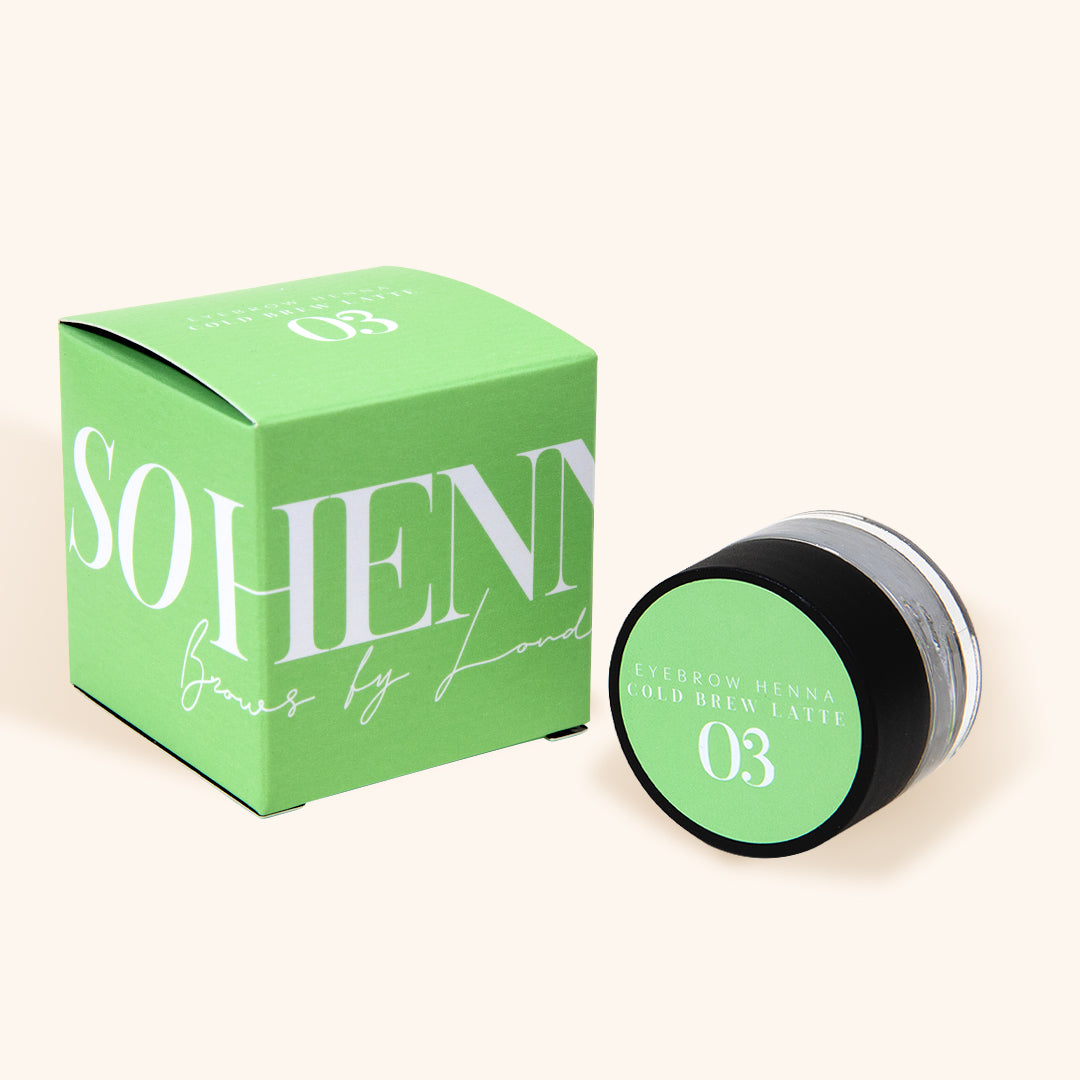

So Henna Brow Powder 3G Pot
30 reviews
from
£6.99

Sale
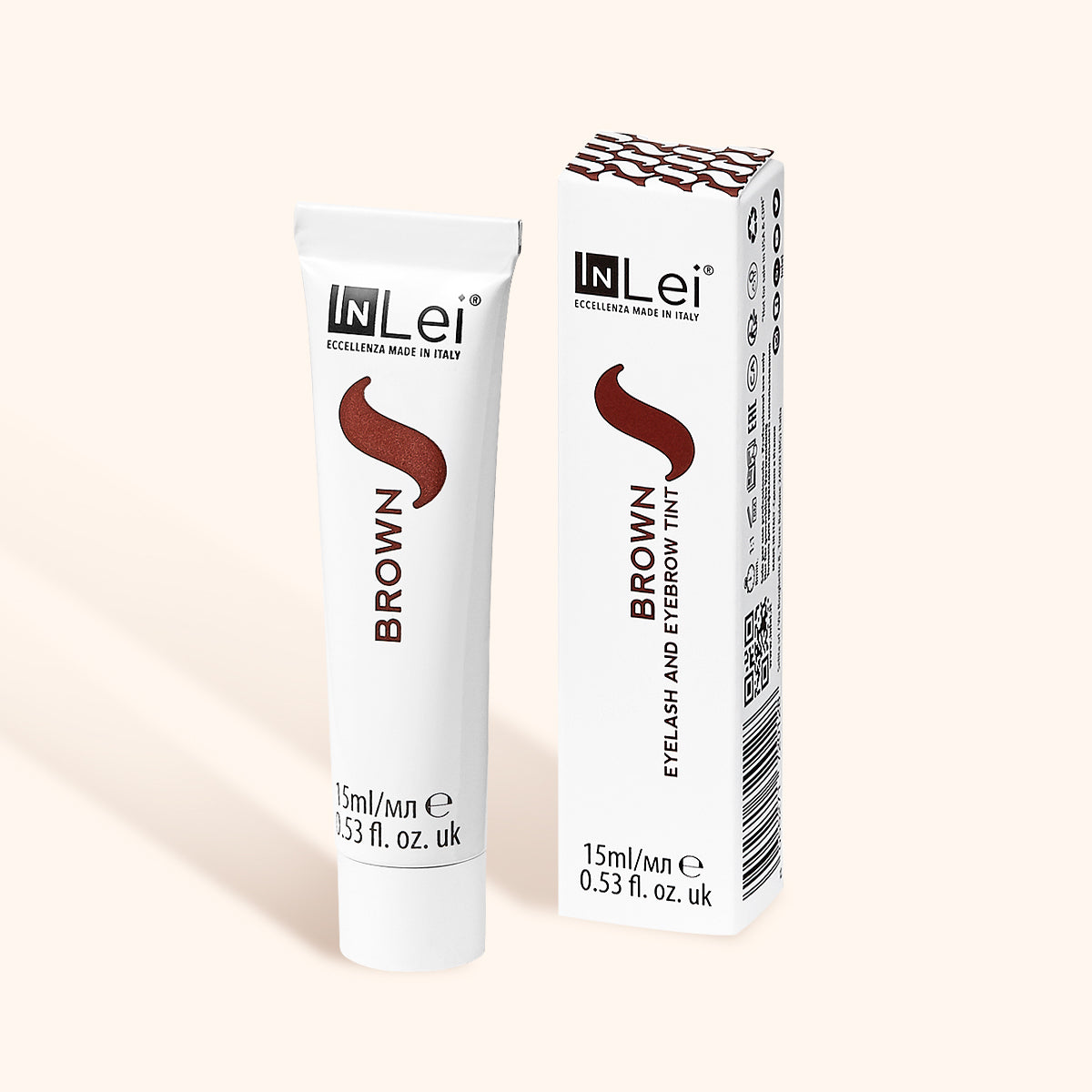
InLei Lash and Brow Tint - Dye
9 reviews
£10.99
from
£7.99

Carbon-neutral shipping on all orders
51631kg
shipping emissions removed
That's like...
211477
kilometers driven by an average gasoline-powered car