
black friday deals
GLUES - UP TO 55% OFF
LIQUIDS - UP TO 30% OFF
LASHES - UP TO 70% OFF
LASH LIFT - UP TO 70% OFF
BROWS - UP TO 80% OFF
OTHER PRODUCTS - UP TO 80% OFF
EDUCATION - UP TO 50% OFF
OUTLET
Does Heat and Humidity Affect Eyelash Extensions Glue?
by Evo Raev April 11, 2025 3 min read

Table of Contents
How Temperature and Humidity Can Affect Your Lash Adhesive
If you’ve been in the lash extensions world for a while, you’ll know that lash adhesive can be a little temperamental. Even small changes in your salon conditions can affect how quickly your glue cures and how well your lash sets last.
As the weather warms up, you might notice your usual glue drying too fast or too slowly. Here’s what to look out for and how to adjust your setup.

The Relationship Between Temperature and Humidity
Both temperature and humidity affect how lash extension glue behaves. Humidity often has the bigger effect on drying time, but temperature is usually the change you notice first in the salon.
Around 20–22°C is a starting point. Check the recommended temperature and humidity for your specific adhesive. Warmer conditions can speed up curing, so you may need to refresh your glue drop more often to keep application consistent.
- Opening a window can cool the room, but it may raise or lower the humidity depending on the conditions outside.
- Air conditioning can cool the room and may also lower humidity over time.
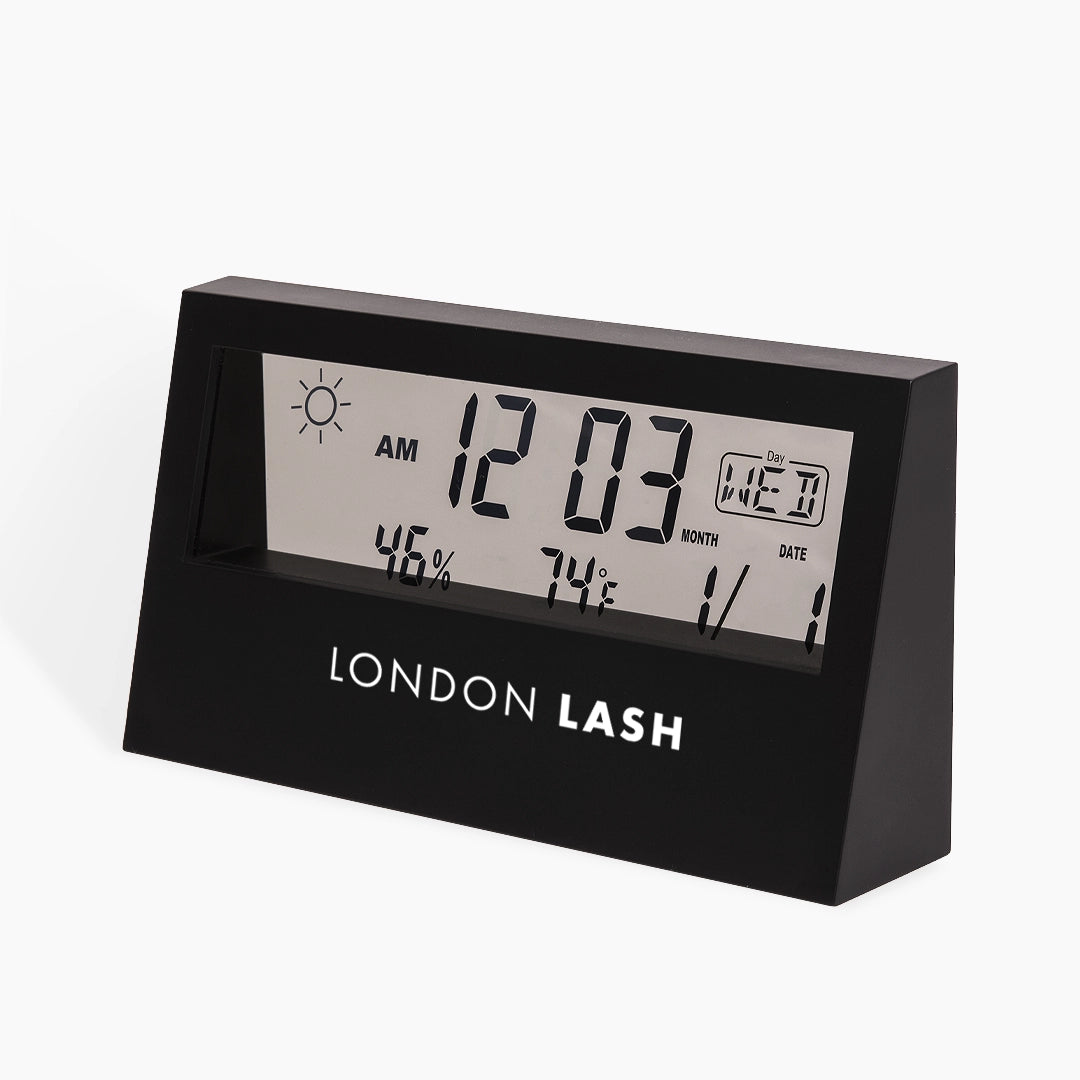
Use a digital hygrometer to monitor the temperature and humidity around your workstation. That way, you can adjust your setup or choose an adhesive that suits the conditions.

When Humidity Drops
Lower humidity can slow down curing. If your glue normally sets in about one second and starts taking longer, you may notice extensions leaning, fans shifting or more stickies than usual.
- Use a humidifier. If your salon air is dry, raise the humidity gradually and check the reading at your workstation. Keep the humidifier away from your glue drop.
- Use Micro Fibre Brushes with water. Lightly dotting water onto the eyepatch can help raise humidity locally. Keep the water away from the lash line.
- Consider a Lash Booster. Follow the product instructions to see how it fits into your routine when your adhesive is taking longer to set.
What Happens When Humidity Rises
High humidity can speed up curing. If the adhesive starts to set before the extension reaches the natural lash, the bond may be weaker and retention can suffer.
- Use a dehumidifier. Monitor the reading as you bring the room back into your adhesive’s recommended range.
- Try a slower-drying lash glue. If your usual adhesive sets too quickly in humid conditions, a slower formula can give you more time for placement.
Check our Lash Glue Chart for the recommended room conditions and drying times for each adhesive.
Keep an eye on your glue drop and refresh it more often if it starts to thicken in warm or humid conditions. Read our guide to using a lash glue shaker for tips on mixing your adhesive before dispensing.

A Few Extra Summer Tips
Your clients’ routines can change in summer, too. Sunscreen, sweat, swimming and time in saunas can all affect how they care for their extensions.
- Carry out a thorough lash pre-treatment to remove oils, sweat and skincare residue.
- Use Superbonder as directed to finish the set and help keep the adhesive bonds flexible.
- Talk clients through summer aftercare and adjust their infill schedule if they notice a change in retention.
Check your salon conditions regularly and adjust your adhesive or setup as needed. Small changes can help you keep your application consistent as the weather changes.
Check out these featured products



Sale
$26.00
$22.00

Sale
Digital Hygrometer & Thermometer
6 reviews
$21.00
$9.00