

Pre-Treatment


Sold out
Sold Out


Sold out
Sold Out


Dhs. 120.00
Selling Fast!


Dhs. 174.00


from
Dhs. 90.00


from
Dhs. 60.00


Sold out


Dhs. 50.00




Selling Fast!



Dhs. 110.00
Selling Fast!


Dhs. 139.00


Sale
Dhs. 15.00
from
Dhs. 12.00


Sale
Dhs. 45.00
Dhs. 32.00


Sale
Dhs. 45.00
Dhs. 30.00


Sale
Dhs. 45.00
from
Dhs. 30.00


Dhs. 40.00


Dhs. 36.00


Dhs. 36.00


Eyelash Extension Pre-Treatment Products
Proper pre-treatment is the foundation of long-lasting eyelash extensions. Before applying adhesive, the natural lashes must be clean, dry and free from makeup, oil, dust and other residue that can weaken the bond.
Our professional pre-treatment range includes lash cleansers, primers, boosters and preparation kits to help lash technicians create a clean, consistent base for every treatment. Using the correct products in the right order can improve adhesive performance, support retention and help you work more efficiently.
Why Is Pre-Treatment Important?
Natural lashes can collect oil, skincare residue, makeup and dust throughout the day. If these contaminants remain on the lashes, they can create a barrier between the natural lash and the adhesive.
Effective pre-treatment helps to:
- Remove makeup, oil and surface residue.
- Prepare the natural lash for adhesive application.
- Improve consistency between treatments.
- Support stronger, longer-lasting adhesive bonds.
- Reduce the risk of poor attachment caused by contamination.
- Help lash technicians work more efficiently.
The Difference Between Pre-Treatment Products
| Product | Applied to | When it is used | Main purpose |
|---|---|---|---|
| Lash cleanser | Natural lashes | Before the treatment | Removes makeup, oil, dust and surface residue. |
| Lash primer | Natural lashes | Before adhesive application | Helps prepare the lash surface and optimise bonding conditions. |
| Retention & Speed Booster | Lash extension strip | Before and during application | Speeds curing and helps prevent volume fans from closing. |
| Superbonder | Finished lash set | After the treatment | Helps cure the adhesive, add flexibility to the bond and lock in fumes. |
How to Prepare the Lashes Before Extensions
- Remove makeup and surface residue. Use a suitable lash cleanser to remove mascara, eyeliner, skincare products and daily oils.
- Cleanse the natural lashes thoroughly. Work through the lashes carefully, paying particular attention to the roots and inner corners.
- Rinse or remove any remaining cleanser. Make sure no product residue remains before continuing with the treatment.
- Apply primer if required. Use a small amount where appropriate and allow the lashes to dry completely before applying adhesive.
- Prepare the extension strip. Apply the Retention & Speed Booster only to the extension strip when suitable for your technique. Do not apply it to the natural lashes.
Choose the Right Pre-Treatment Products
Lash Cleansers
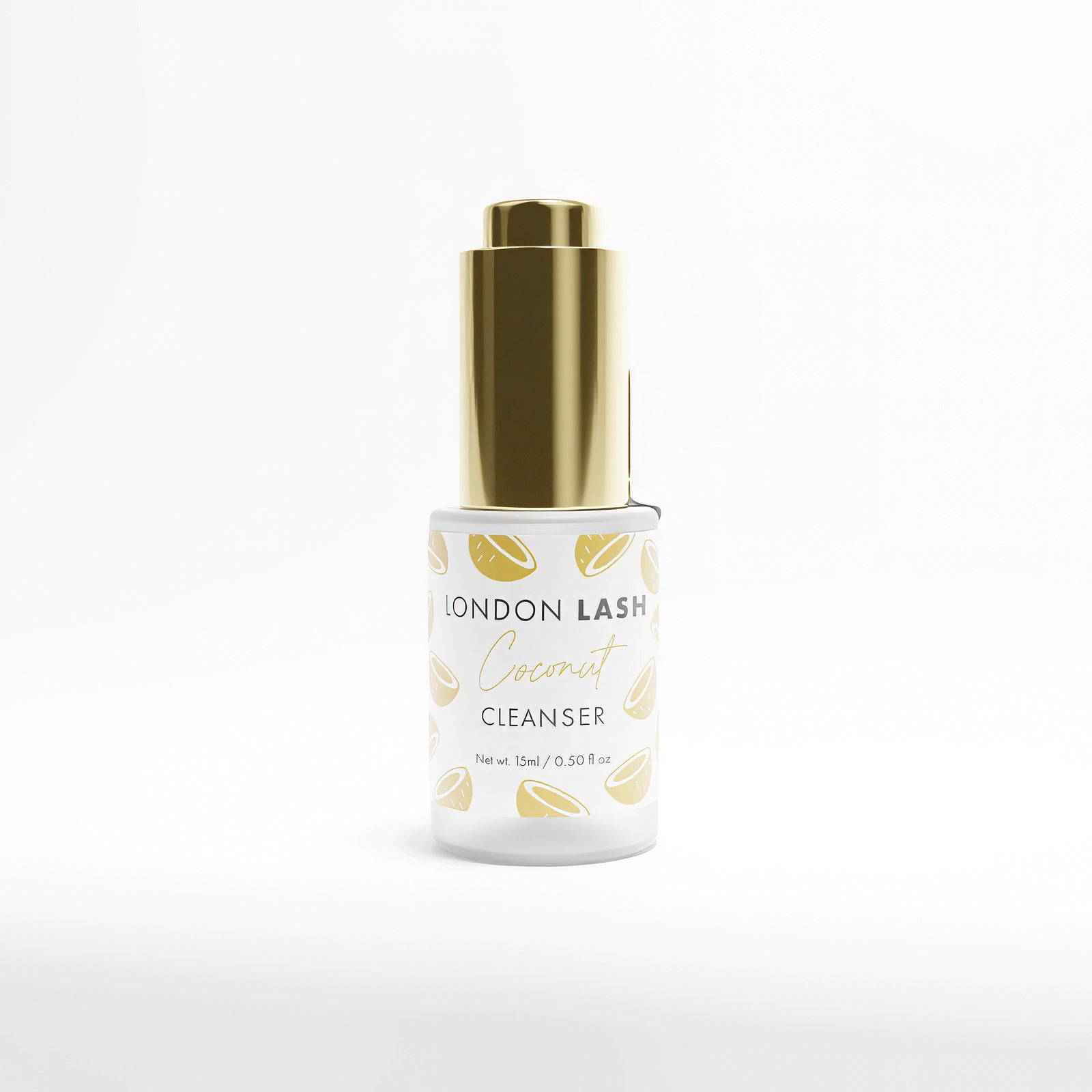
Lash cleansers remove makeup, oil, dust and other residue from the natural lashes before treatment. A clean lash surface gives the adhesive the best possible conditions for attachment.
Cleanser should be used carefully and thoroughly, particularly where clients wear eye makeup or use oil-based skincare products.
Lash Primers
Lash primer is used after cleansing to help prepare the natural lash for adhesive application. Apply sparingly and allow the lashes to dry fully before attaching extensions.
Using too much primer or applying adhesive while the lashes are still wet can affect the quality of the bond, so always follow the product instructions.
Retention & Speed Boosters
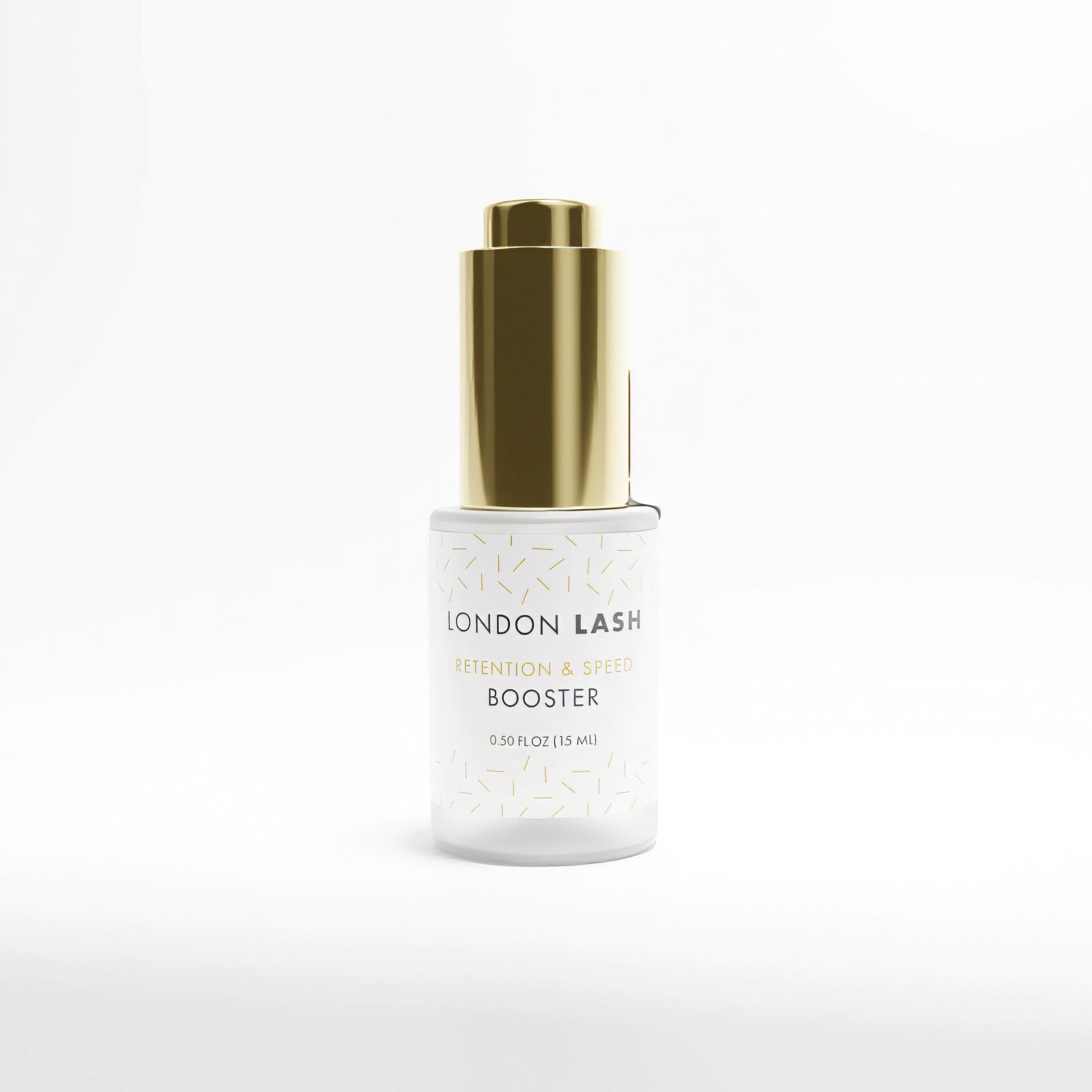
Retention and speed boosters are designed to be used on the lash extension strip before or during application. They can help accelerate curing, prevent adhesive from travelling up the fibre and reduce the risk of volume fans closing.
Always check compatibility with your lash technique and adhesive. Some boosters are not suitable for Easy Fanning lashes.
Superbonder
Superbonder is applied after the lash set is complete. It is not an adhesive or primer. Instead, it helps cure the adhesive, add flexibility to the bond and lock in fumes.
Common Pre-Treatment Mistakes
- Applying extensions to lashes that still contain oil, makeup or cleanser residue.
- Using too much cleanser or primer.
- Applying adhesive before the primer has dried completely.
- Applying a retention booster to the natural lashes instead of the extension strip.
- Using products that are incompatible with the chosen adhesive or lash technique.
- Failing to adjust the preparation routine for the client's lash condition.
Improve Lash Retention With the Right Preparation
Pre-treatment is one part of a complete retention routine. Adhesive choice, room temperature, humidity, isolation, attachment and client aftercare also influence how long extensions remain in place.
For further guidance, use our Glue Chart to help select an adhesive for your working conditions, or read our guide on how to improve lash retention.
Technicians looking for a complete routine can explore the 5-Step Pre-Treatment Kit, which brings the essential preparation stages together in one professional system.
Frequently Asked Questions
What is lash extension pre-treatment?
Lash extension pre-treatment is the process of cleansing and preparing the natural lashes before adhesive is applied. It removes oil, makeup, dust and other residue that may interfere with bonding.
What cleanser should I use before eyelash extensions?
Use a professional lash cleanser designed to remove makeup, oil and residue without leaving an oily film. The lashes should be clean and completely dry before applying extensions.
Do I need primer before applying lash extensions?
Primer may be helpful depending on the client's natural lashes, skin type, adhesive and salon conditions. Apply it sparingly and make sure it has dried fully before adhesive is applied.
What is the correct order for lash preparation?
Generally, remove makeup, cleanse the natural lashes, rinse or remove residue, apply primer if needed, allow the lashes to dry and then begin the extension application. Any booster used on the extension strip should be applied according to its product instructions.
Can I use Superbonder as a primer?
No. Superbonder is not a primer. It is applied after the lash set is complete to help cure and stabilise the adhesive bond.
Can Retention & Speed Booster be applied to natural lashes?
No. Retention & Speed Booster should only be applied to the lash extension strip where the product instructions confirm it is suitable. It should not be applied directly to the natural lashes.
Why are my lash extensions not lasting?
Poor retention can be caused by oil or residue on the lashes, unsuitable adhesive speed, incorrect humidity, incomplete isolation, weak attachment or poor aftercare. Start by checking the preparation process, then review the adhesive and application conditions.
