How to Avoid Stringy Lash Extension Glue
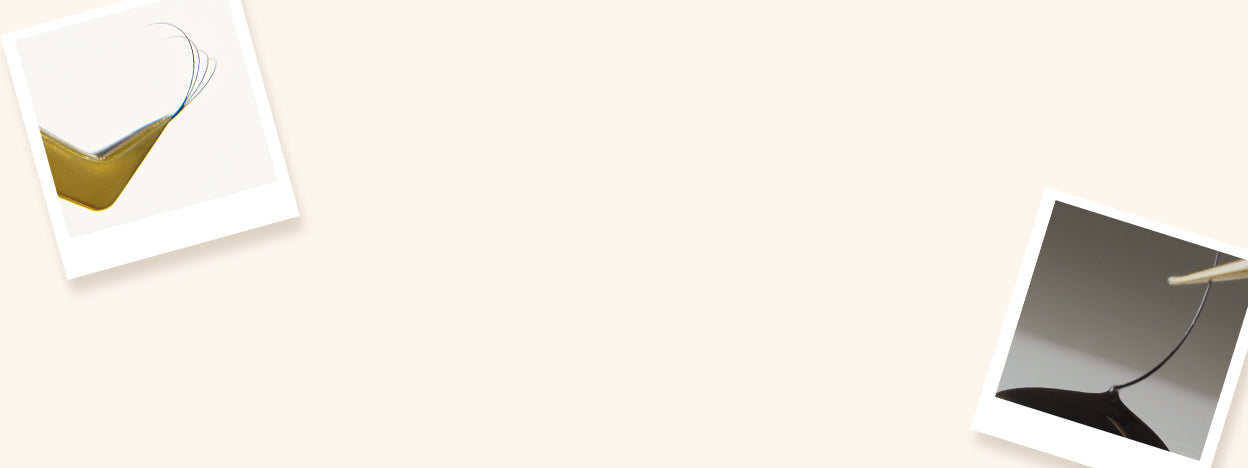

Table of Contents
The What, Why, and How of Stringy Lash Glue
When it comes to your lash extension kit, nothing is more crucial than fresh lash glue. Using expired or improperly stored eyelash extension glue can lead to a stringy, goopy mess, which is a recipe for poor retention and unhappy clients. Let’s break down what stringy lash glue is, why it happens, and how you can avoid it.

What Is Stringy Lash Glue?
If your lash extension adhesive starts feeling or looking stringy or gloopy, it’s a sign that something’s gone wrong. Lash glues have a shelf life, and once they expire, their consistency can change dramatically. If you’re thinking about using that old bottle “just one more time”, think again. Expired glue isn’t just unprofessional — it’s unsafe.
Stringy Consistency: What It Means
You might have heard terms like “gloopy” or “stringy” when discussing eyelash extension glue. These describe a thick, sticky consistency that makes the adhesive difficult to work with. If you notice this, it’s a sign that your lash adhesive has expired and needs to be replaced immediately. Every London Lash glue has a specific consistency, and once it changes, it won’t perform properly.
If you’re using a jade stone, which we recommend over glue rings, your lash glue drop may become stringy after about 15 minutes. This is normal — simply dispense a fresh drop. However, if your glue is stringy straight from the bottle, it’s time for a new one.
What does stringy lash glue actually look like? The image below shows a lash extension being pulled away with a string of glue still attached. This consistency can be difficult to spot when dispensing a fresh glue drop, but seeing it in action makes it unmistakable. If freshly dispensed glue behaves like this, replace the bottle.

My Glue Was Fresh Yesterday — It’ll Be Okay Today
You might be tempted to use your glue for one more day if it seemed fine the day before. However, stringy lash adhesive can lead to poor retention or damage to your client’s natural eyelashes. Stringy glue is harder to control, which means you might apply too much, causing stickies — the industry term for lashes sticking together. Stickies can cause pulling and damage to the natural lashes.
Even if your eyelash glue seemed fresh the day before, its bonding performance could deteriorate quickly. This can lead to premature extension fallout, uneven sets and disappointed clients.
Client Reactions
Expired lash glue isn’t just bad for retention — it can also increase the risk of sensitivities and discomfort. As the adhesive ages, its chemical composition may change, making the fumes stronger. This can lead to breathing discomfort and a higher risk of chemical burns. Even fresh eyelash glue emits fumes, so work in a well-ventilated environment or consider a Glamcor Flow to help direct unwanted fumes away from you and your clients.
How Can You Tell If Your Lash Glue Is Fresh?
Check the DOP (Date of Production), which tells you when your glue was made. You’ll find this date on the bottom of the bottle or on the aluminium pouch it arrives in. Your adhesive is good for six months from the DOP and, once opened, should be replaced every 4–6 weeks. Label the bottle with its opening date and set a reminder to replace it.

How to Keep Your Glue Fresh for Longer
While you can’t extend your glue’s shelf life indefinitely, proper storage helps maintain its performance. Unopened eyelash glue can be stored in its original packaging in the fridge, but opened glue should never be refrigerated. Condensation inside the bottle can ruin the adhesive.
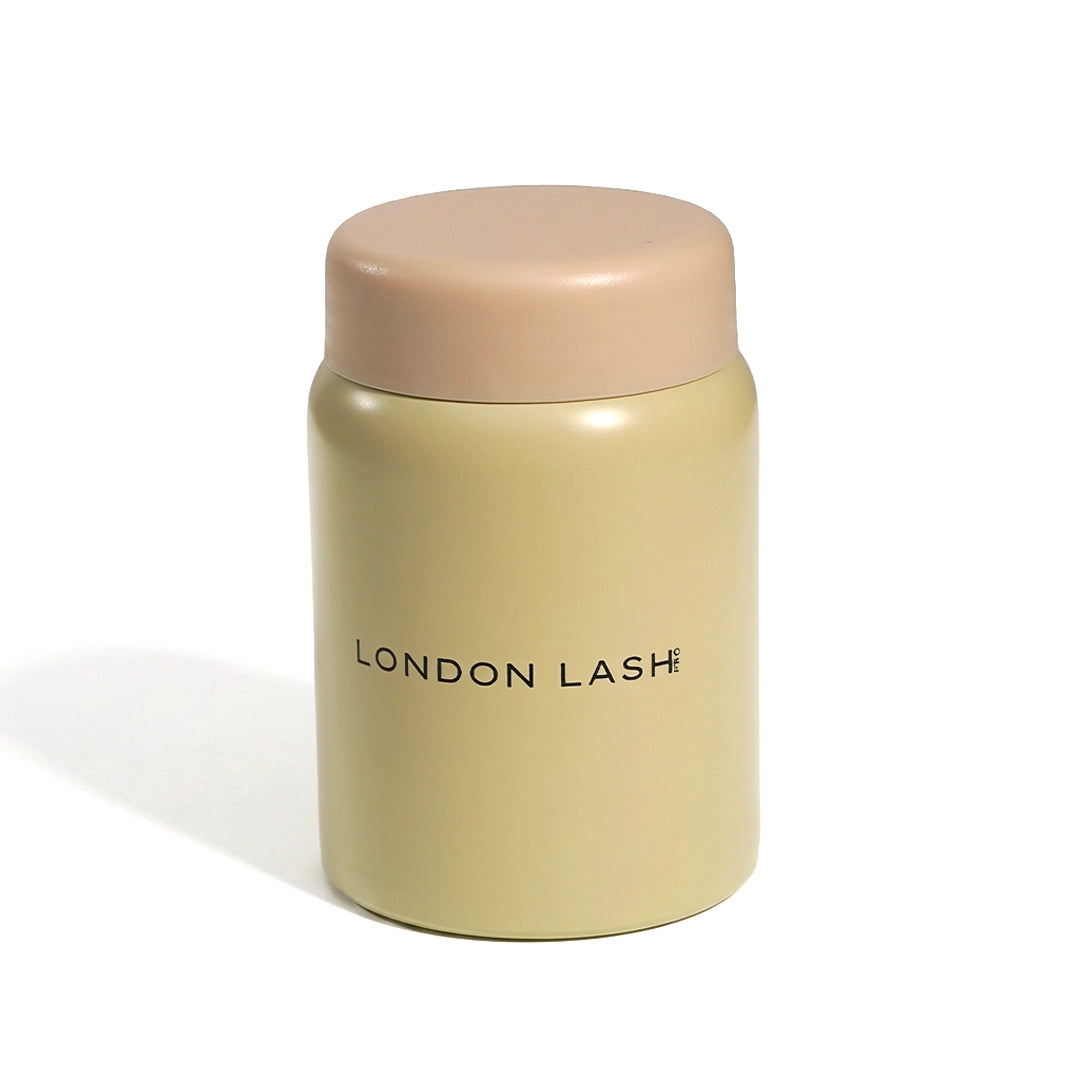
Once opened, store glue in an airtight glue storage container away from heat and sunlight. This helps protect it from moisture and changes in storage conditions.
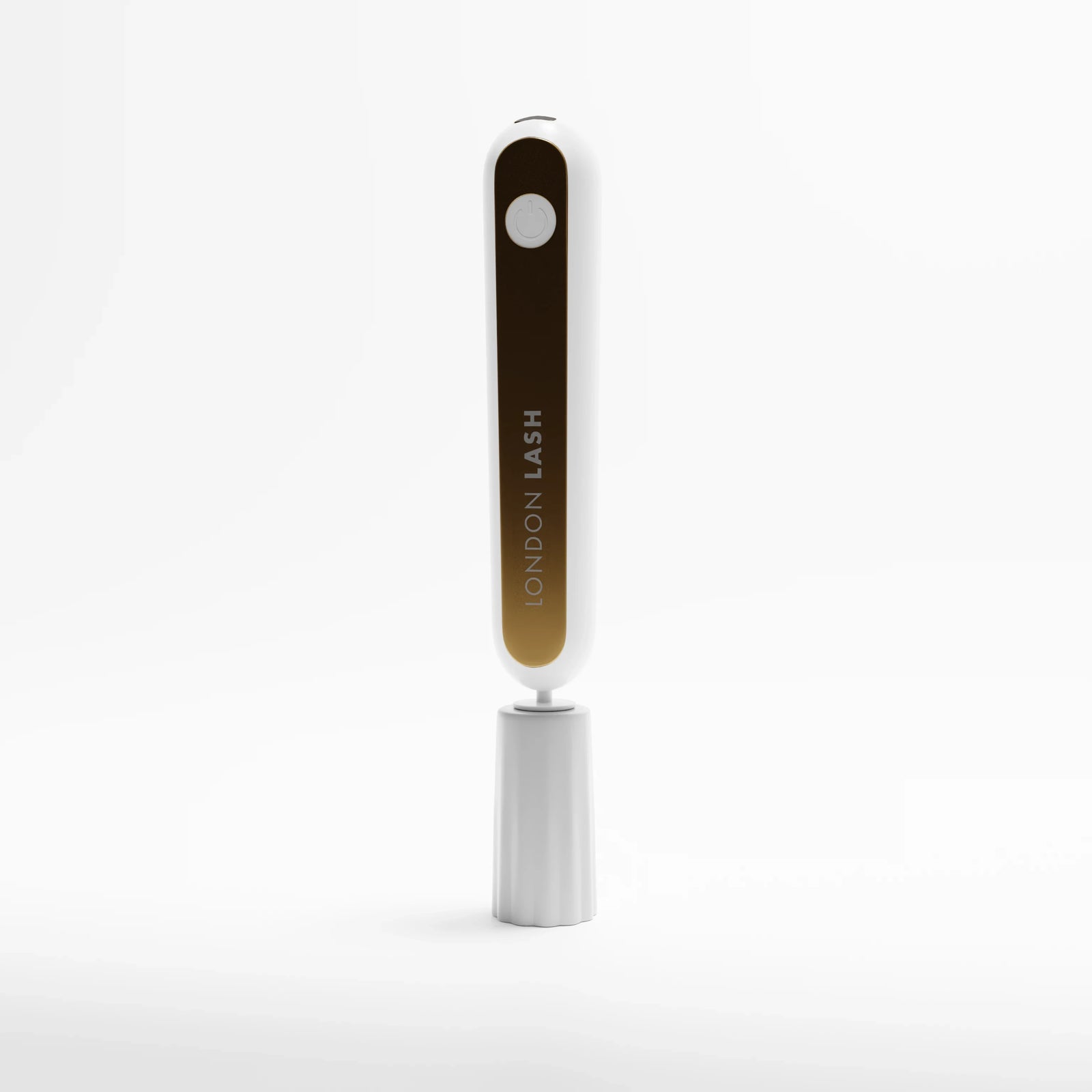
A glue shaker helps mix the ingredients quickly and thoroughly for consistent performance. Manual shaking can be tiring and time-consuming, while a glue shaker mixes the adhesive in seconds. A digital hygrometer on your lash trolley also helps you monitor how your environment may affect your glue.

Comparison: Fresh vs. Expired Lash Adhesive
| Indicator | Fresh Eyelash Glue | Expired or Stringy Eyelash Glue |
|---|---|---|
| Consistency | Liquid, smooth and thin. | Gloopy, thick and pulls away in strings. |
| Drying time | Matches the manufacturer’s specification, such as 0.5–2 seconds. | Irregular; cures too slowly or starts curing on the tweezers. |
| Bond retention | 6–8 weeks with optimal preparation. | Poor retention and premature extension fallout. |
| Fume intensity | Standard, manageable levels. | Heightened fumes due to chemical breakdown. |
| Storage status | Opened within the last 4–6 weeks and stored airtight. | Opened over 6 weeks ago or exposed to moisture or heat. |
Knowing the signs and causes of stringy lash glue helps you recognise when to replace a glue drop or bottle and maintain consistent application results.
Frequently Asked Questions
Why Is My Lash Glue Stringy?
Lash glue can become stringy when it has expired, been exposed to air and humidity inside the bottle, or reached the end of its 15–20-minute working life on a jade stone. When cyanoacrylate begins to polymerise prematurely inside the container or on your palette, it loses its thin liquid consistency and becomes thick, gloopy and stringy.
What Are Signs of a Bad Lash Extension Job?
Signs of poor application include visible clumps of dried adhesive, multiple natural lashes stuck together, extensions glued directly onto the eyelid skin instead of 0.5 mm away, uneven lengths, painful pulling sensations and premature loss of natural lashes.
How Can I Stop Lash Glue from Staying Tacky?
Ensure your salon humidity and temperature match your adhesive’s required conditions, monitored using a digital hygrometer. A lash bonder, such as Superbonder, can also be applied at the end of the treatment to cure the adhesive bond without shock-curing it.
What Can I Use to Soften Eyelash Glue?
To soften and remove professional cyanoacrylate eyelash extension glue from natural lashes or tools, use a suitable professional cream or gel lash remover according to its instructions. Household oils or water alone will not dissolve the cured adhesive bond, and pulling at bonded extensions can be painful.
Check out these featured products