

Super Fast Drying Glues







Available in: Size
5ml
$472.00



Selling Fast!


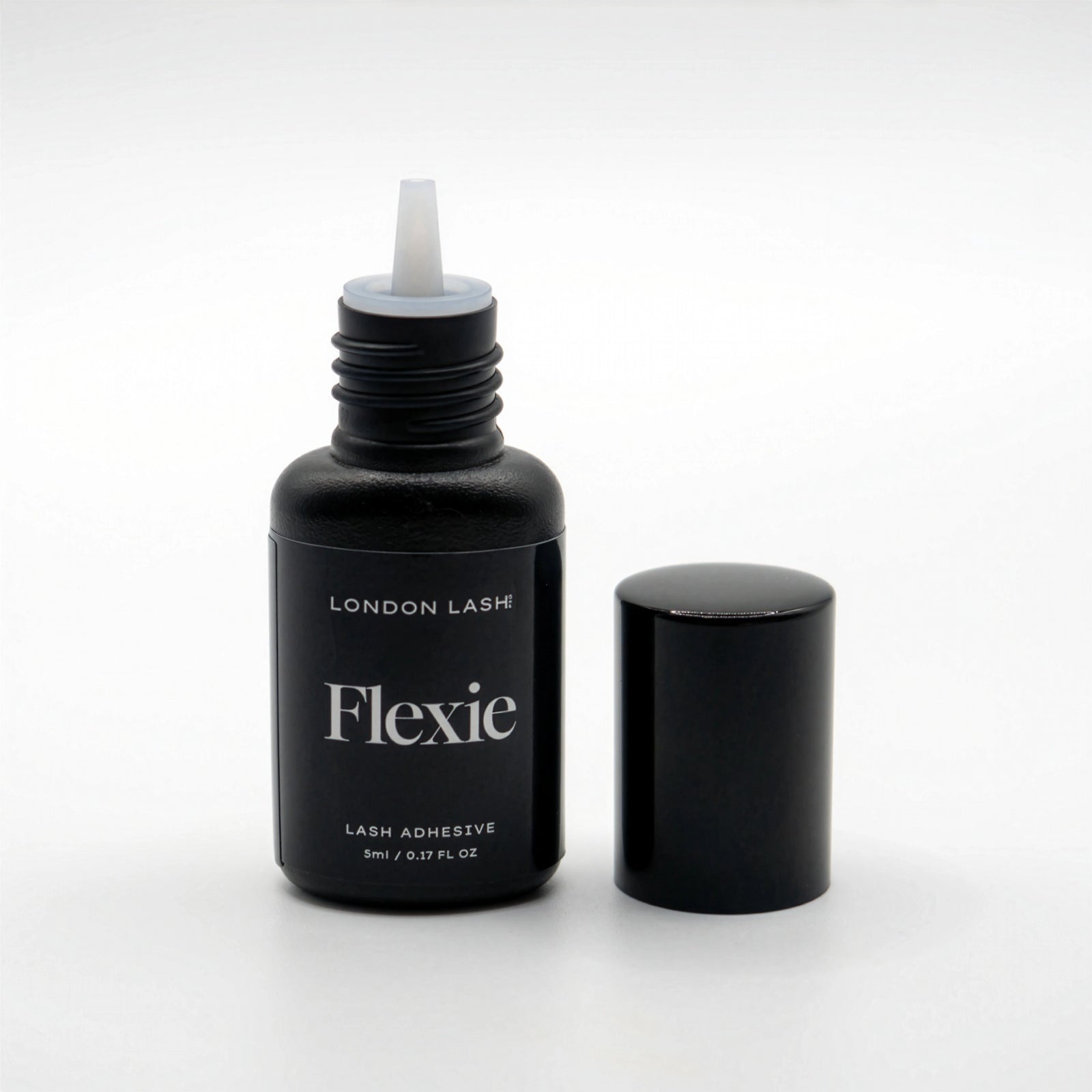

Available in: Size
5ml
$440.00


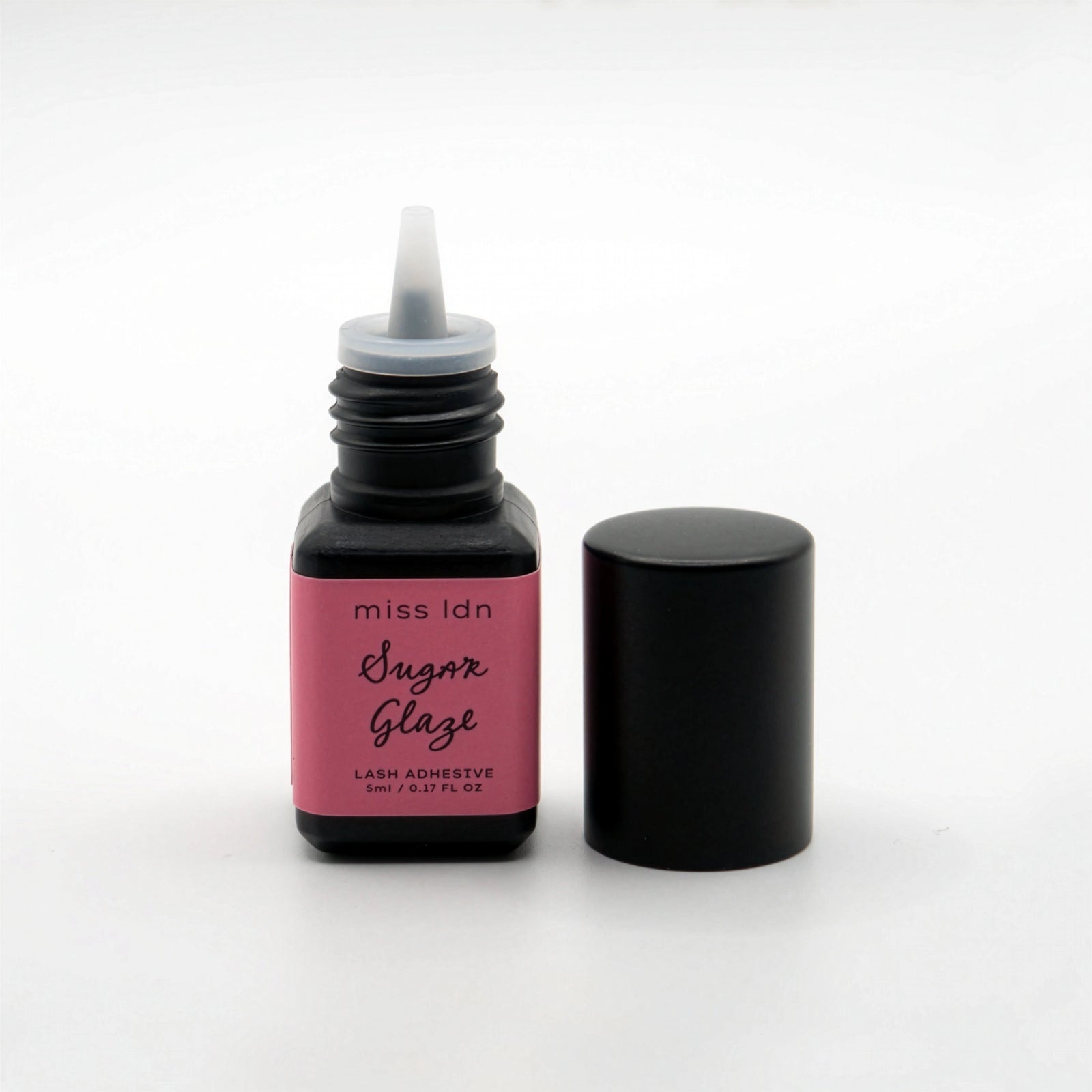

Available in: Size
5ml, 2ml
from
$54.00
When your isolation and placement are already quick and consistent, a fast drying eyelash extension glue can keep pace with your application. Explore professional adhesives designed to set in approximately 0.5–1 second under suitable salon conditions. These glues are intended for experienced lash technicians working on classic or volume sets, where there is little time to reposition an extension after it touches the natural lash.
Who are fast drying lash glues for?
Speed only helps when it matches your technique. If you can pick up an extension, dip it and place it securely without hesitation, a fast drying adhesive may suit your workflow. If you regularly need another moment to adjust the extension or close a fan, choose a slower formula from our full professional lash glue range.
All adhesives in this collection are for trained lash professionals. The stated drying time is a guide: the way a glue behaves on your lash tile and at the lash line will change with room conditions, the amount of adhesive used and your application technique.
How to choose a fast drying adhesive
Start with the time between dipping the extension and making contact with the natural lash. Then check your treatment room’s temperature and humidity against the individual product page. A fast glue that starts curing before you complete placement can create a weak attachment, even when the extension initially appears secure.
- For a rapid, fluid application: Look at the shortest drying times in this collection and trial the formula before switching your full appointment schedule to it.
- For changing room conditions: Compare each adhesive’s recommended humidity range; a wider stated range may be useful if your salon conditions vary during the day.
- For volume work: Consider how the glue’s consistency and your dip technique affect the amount picked up by each fan.
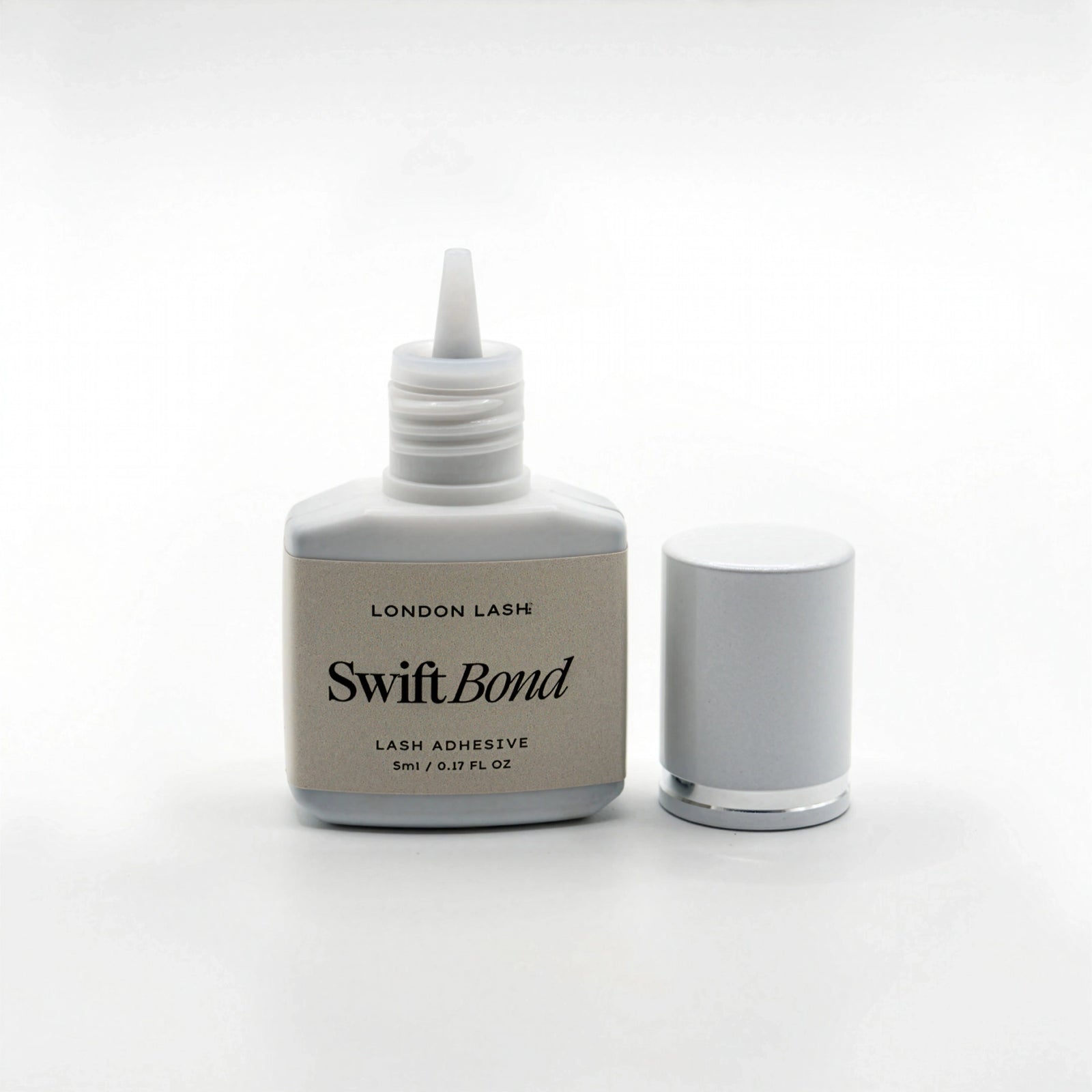
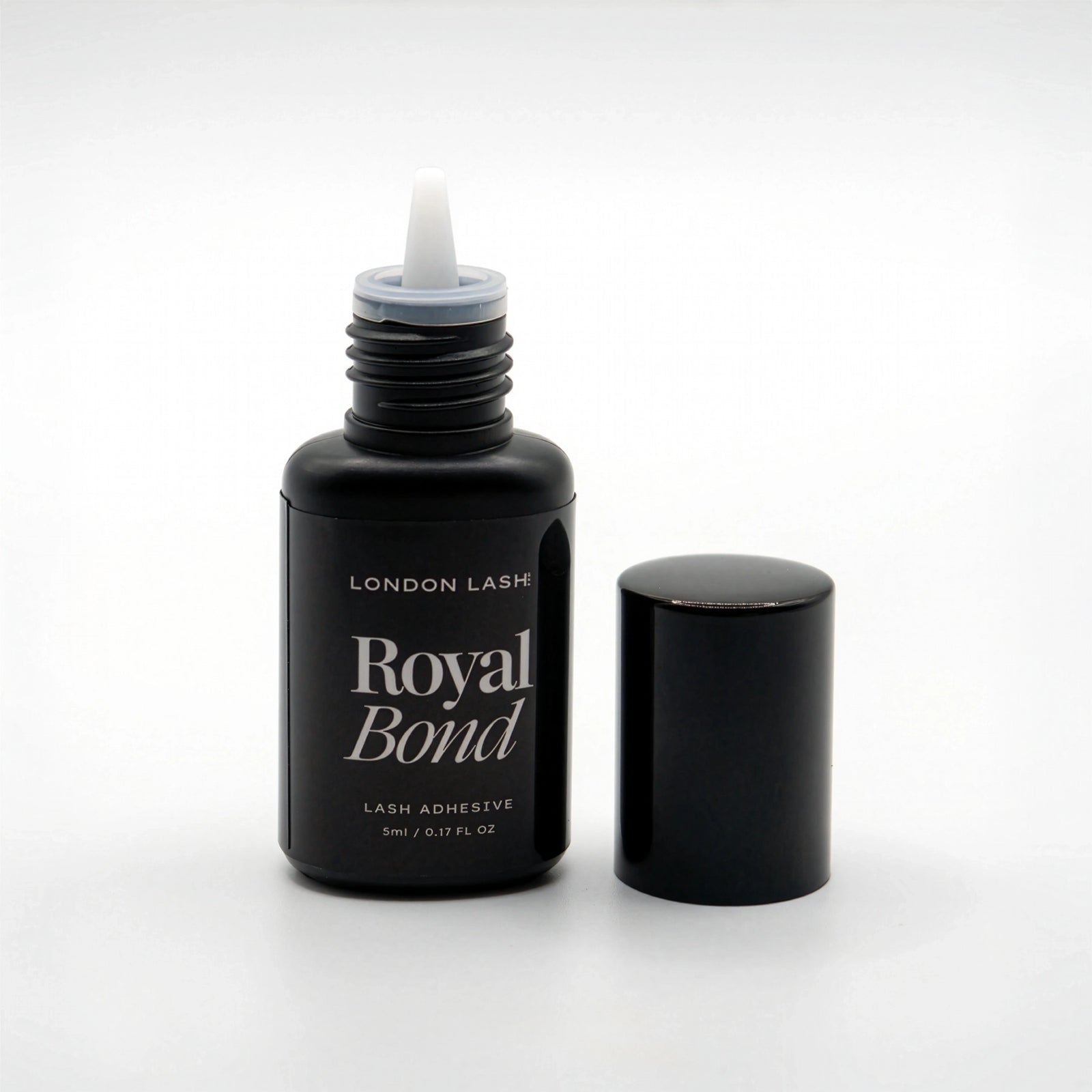
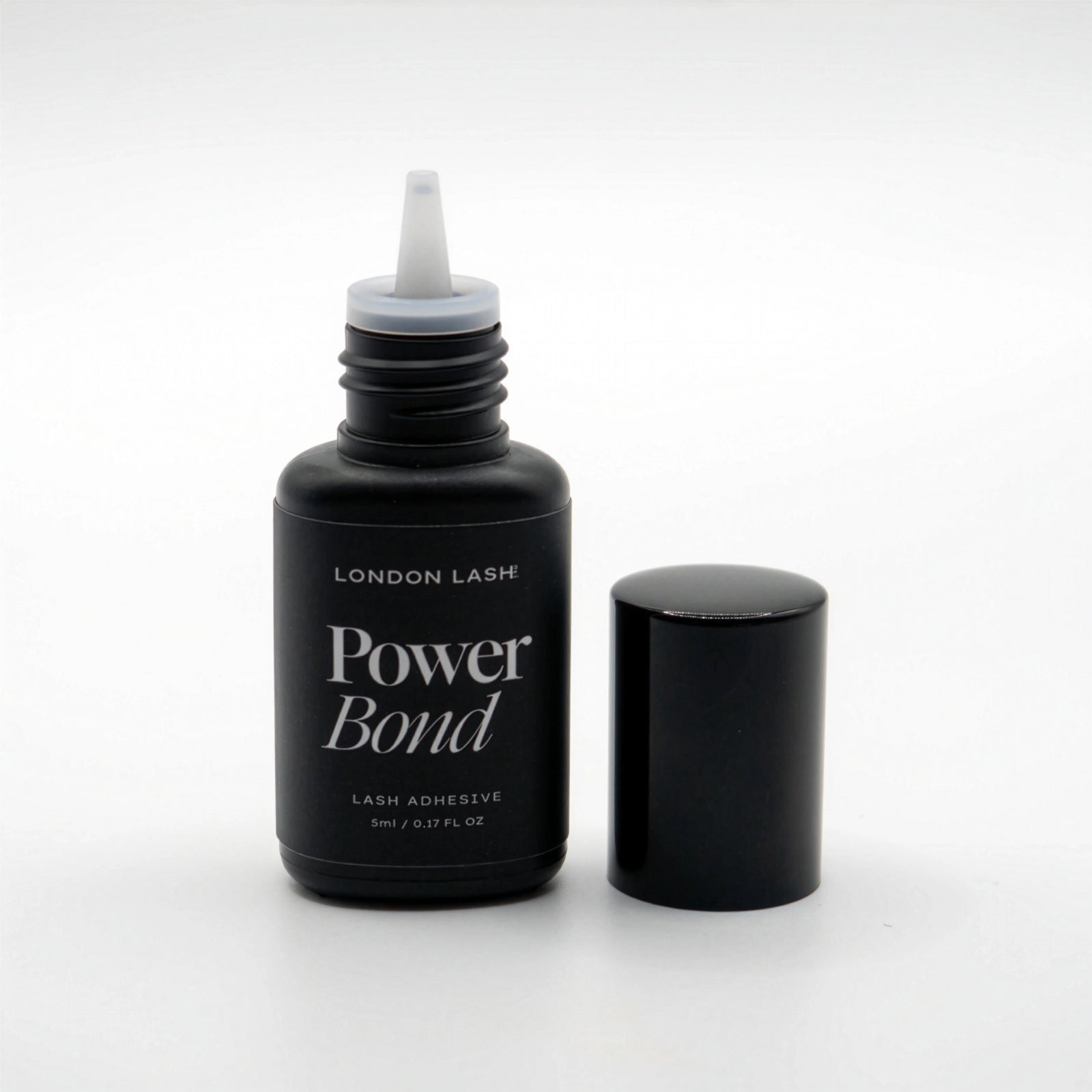
For example, London Lash lists Power Bond and Royal Bond at approximately 0.5–1 second. Check each product’s current specifications before ordering, as their recommended working conditions differ.
Getting a reliable bond with a fast drying glue
Fast drying glue leaves a narrow window for attachment. Prepare and isolate the natural lash before dipping the extension, make decisive contact, and allow the adhesive to bond without repeated repositioning. Keep an eye on your glue drop throughout the appointment and replace it according to the product instructions.
If extensions brush off soon after application, assess the bond before assuming you need a stronger adhesive. The glue may have begun curing before contact, or too little adhesive may have been picked up. If lashes stick together, check your isolation, adhesive amount and room conditions. A hygrometer helps you spot changes in humidity that may affect the same glue from one appointment to the next.
Frequently asked questions about fast drying lash glue
Is a 0.5-second lash glue better for retention?
Not automatically. A 0.5-second adhesive can work well when your placement speed and salon conditions suit it. If it cures before the extension makes proper contact with the natural lash, retention may suffer. Choose a drying time that gives you a secure attachment on every lash.
Can beginners use fast drying eyelash extension glue?
These formulas are generally best suited to experienced technicians with confident isolation and placement. A slower drying adhesive gives a developing lash artist more working time. You can compare drying speeds across our lash extension glues.
Why is my fast drying glue behaving differently today?
Humidity and temperature can affect curing speed. Check your room readings against the adhesive’s recommended range, as well as the age of the bottle and glue drop. Make one adjustment at a time so you can identify what changes its performance.
Should I try a sample before changing adhesives?
Yes. Testing a formula during normal appointments gives you a better sense of its consistency, pickup and drying speed in your own treatment room. Review the product instructions and monitor the results before making it your regular adhesive.
