How To Make Sure Your Eyelash Glue Is Fresh

Table of Contents
How to Keep Your Lash Adhesive Fresh: Production Dates, Storage and Shelf Life
Fresh lash adhesive starts with knowing when it was produced, how long it has been open and how it has been stored. Whether you’re checking your existing supplies or stocking up during a sale, these simple checks will help you manage your bottles and get the best performance from your glue.
Here’s how to check the freshness of your London Lash adhesive, protect unopened bottles and recognise when it may be time for a replacement.

Check the Date of Production
Start by checking the bottom of your London Lash adhesive bottle. The date printed there is the date of production, often shortened to DOP. It tells you when the glue was manufactured, rather than when you purchased or opened it.
Unopened London Lash adhesive has a shelf life of up to six months from its production date when stored correctly. Always follow the instructions for your specific adhesive, and remember that buying a bottle does not restart its shelf life.
Arrange your unopened bottles by production date and use the oldest suitable bottle first. This makes it easier to rotate your stock and avoid leaving unused adhesive past its recommended shelf life.

How Long Does Lash Glue Last After Opening?
Once opened, London Lash adhesive should generally be replaced within four to six weeks, following the guidance for the individual product. Its usable life also depends on storage, handling and exposure to moisture.
Keep spare bottles sealed in their original packaging until you need them. Opening several bottles at once starts the opened-bottle timeframe for each one, even if you only use a small amount.
When you open a bottle, write the opening date on a small label or a piece of tape attached to the bottle. Check both the opening date and production date when deciding whether it is still suitable to use.

How London Lash Checks and Protects Adhesive Freshness
Production dates help us track batches and rotate stock, as well as helping you manage your own supplies. The manufacturing and delivery process includes checks before the adhesive reaches your salon.
- Production: Adhesive is manufactured and the bottles are marked with their date of production.
- Factory quality control: The adhesive is checked for consistency and expected performance.
- Protective packaging: Bottles are sealed and packed in aluminium pouches with silica gel sachets to help protect them from moisture.
- Delivery and warehouse checks: Stock is received, counted and spot-checked before being added to our inventory.
- Stock rotation and dispatch: Production dates are used to manage stock before orders are packed and sent to customers.
For sales such as Black Friday, additional stock is planned around demand. However, the best way to understand the remaining shelf life of your own bottle is to check its production date and storage instructions.
If you would like to confirm the production date of available stock before ordering, contact our customer service team. You can also visit our FAQs for further information.
How to Store Your Lash Adhesive
Keep adhesive away from direct sunlight, heat and moisture. A windowsill, a radiator or a hot treatment room can expose your bottles to conditions that affect their performance.
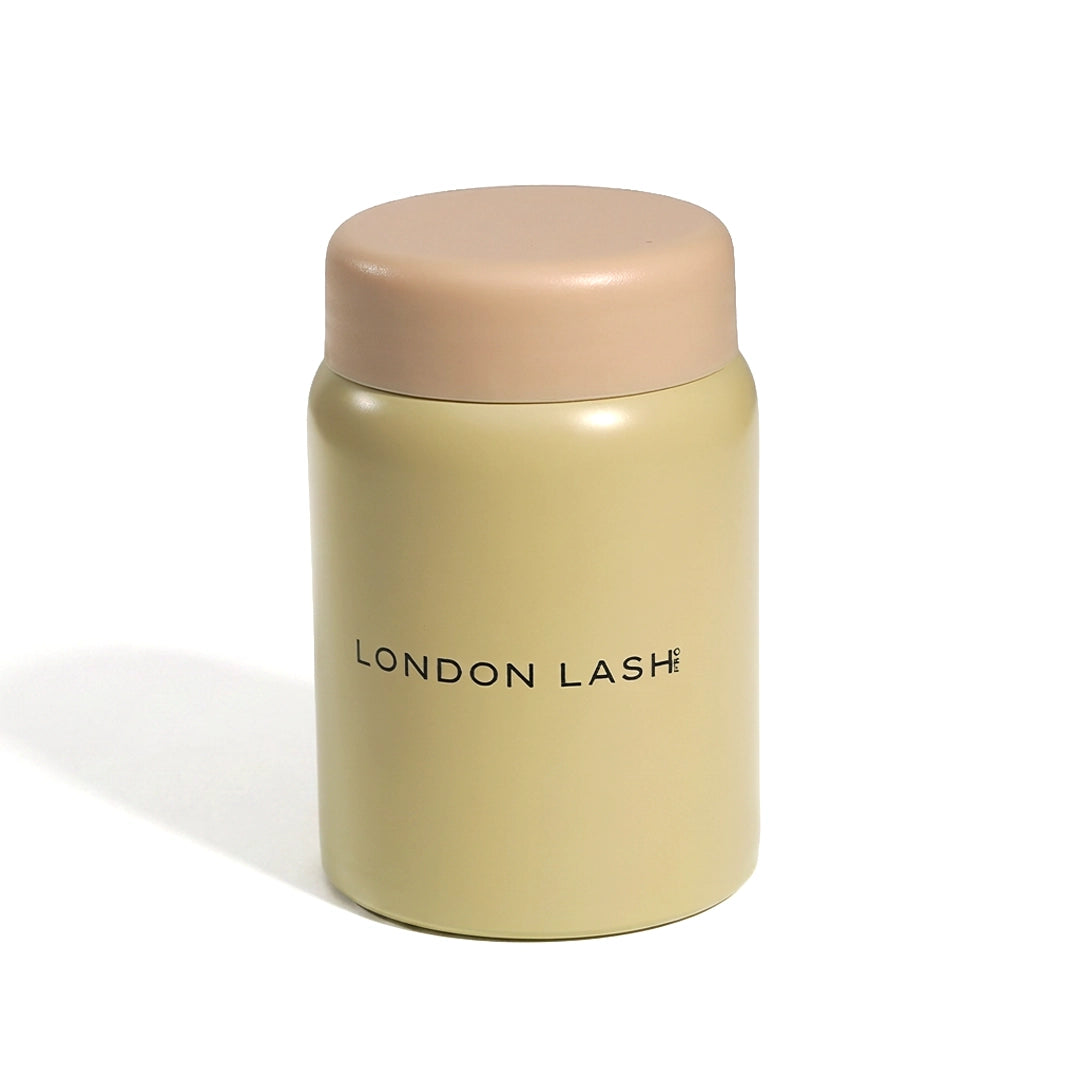
Follow the storage instructions for your specific adhesive and use an airtight glue storage container where recommended. Keep unopened bottles in their original sealed packaging until needed.
After dispensing adhesive, clean the nozzle using the method recommended for your glue and replace the cap securely. Avoid using water or a damp wipe on the nozzle, as moisture can cause the adhesive to cure.

What Are the Signs That Lash Glue May No Longer Be Fresh?
Changes in appearance or performance can indicate that adhesive has deteriorated. However, some problems can also result from an old glue drop, insufficient shaking or unsuitable room conditions.
- Thick or stringy adhesive: If a freshly dispensed drop is unusually thick or stringy, check the bottle’s age and storage history.
- Persistent separation: If a pigmented adhesive remains unusually grey or separated after shaking according to its instructions, it may no longer be performing correctly.
- Reduced movement inside the bottle: A noticeable change when shaking may suggest thickening, although sound alone is not a reliable freshness test.
- White residue around the nozzle: This can indicate moisture exposure and shock polymerisation. It does not automatically prove that all the adhesive inside has deteriorated, but the nozzle and storage conditions need checking.
- Unexpected bonding problems: Extensions brushing off during application or poor retention can be related to adhesive condition, but also to application technique, preparation, temperature, humidity or drying speed.
- An expired unopened bottle: Check whether the bottle has passed the recommended shelf life measured from its production date.
- An opened bottle beyond its recommended use period: Replace it according to the product guidance rather than waiting for obvious changes.
- Exposure to unsuitable conditions: Heat, direct sunlight, moisture or a poorly secured cap can affect adhesive before its expected replacement date.
Check Your Glue Drop and Working Conditions Too
A stringy drop on your jade stone does not necessarily mean the whole bottle has expired. The dispensed drop is exposed to your room conditions and will change during the appointment. Refresh it regularly according to your adhesive instructions and sooner if its consistency changes.
If extensions are not bonding correctly, check whether the adhesive’s drying speed suits your application speed and room conditions. A fast adhesive such as Royal Bond may set before you complete placement, while a more gradually drying option such as Lady Bond may be a better match.
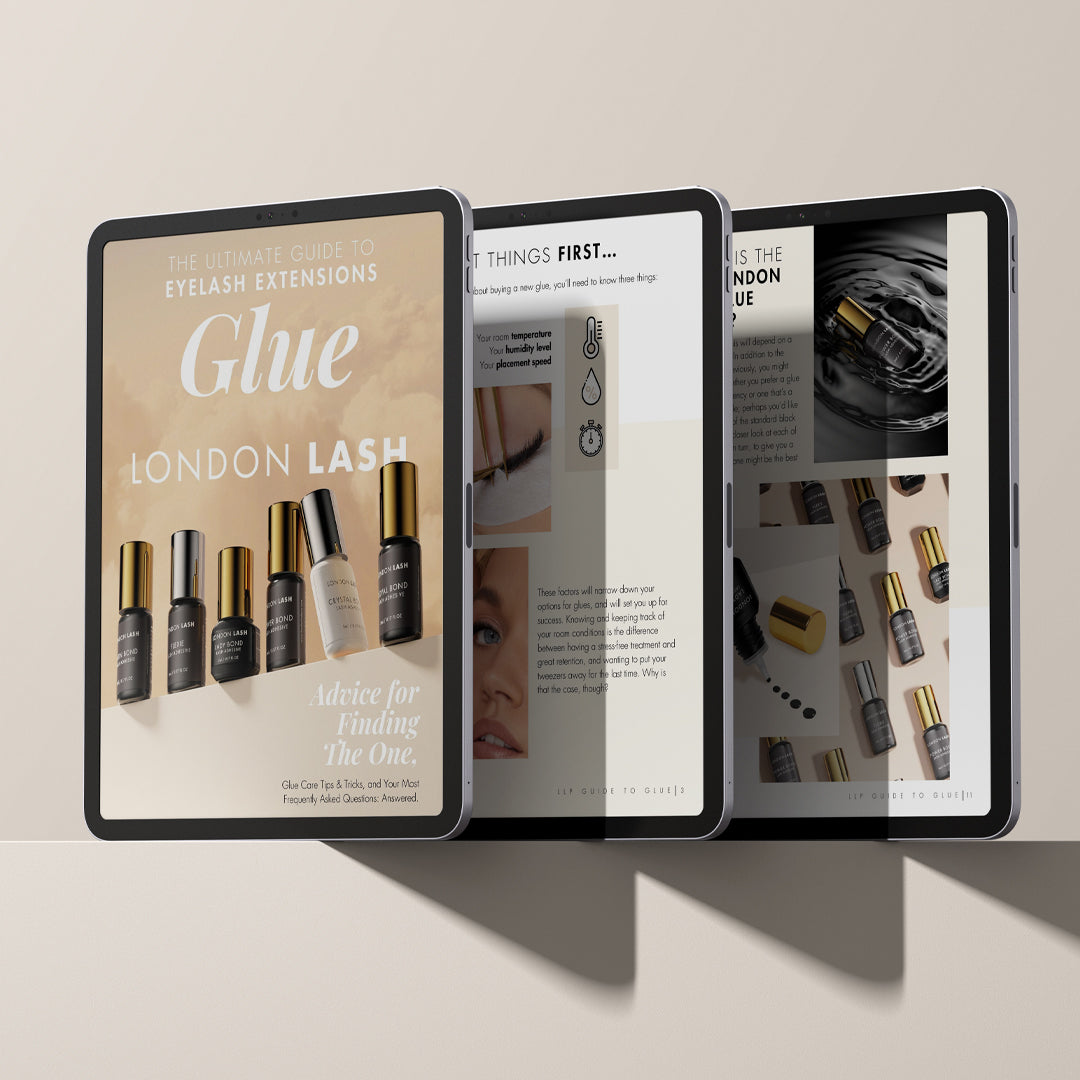
Our guide to choosing lash glue can help you compare options. Check these factors alongside the production date, opening date and storage history before deciding whether freshness is the cause.
A Simple Lash Glue Freshness Checklist
- Check the production date when your order arrives.
- Keep spare bottles sealed until you need them.
- Use the oldest suitable unopened stock first.
- Label each bottle with its opening date.
- Follow the product’s storage and replacement instructions.
- Keep the nozzle clean and the cap securely closed.
- Check freshly dispensed adhesive for changes in consistency or performance.
Good stock rotation and careful storage help you make the most of each bottle. Buy quantities you can realistically use within their remaining shelf life, and replace adhesive when its age or condition calls for it.
Check out these featured products